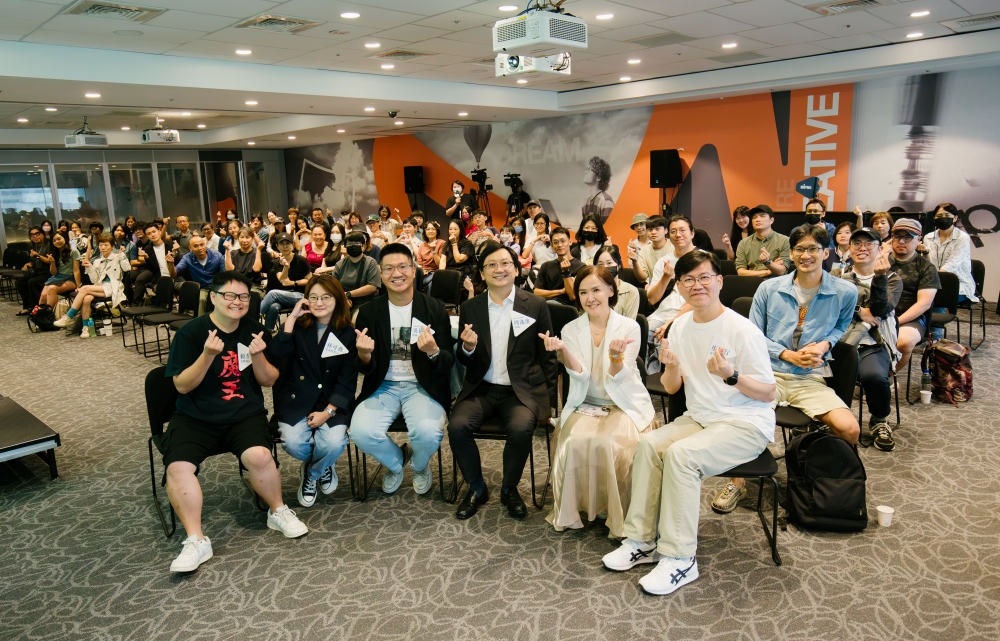


6/23下午【片場法律與安全座談】契約實務|從細節看風險:侵權問題的多重面向
‒
從細節看風險:侵權問題的多重面向
周逸濱X 賴香桂 X 林可喬 X廖健行
‒
設計與商品露出:美術與道具組的法律挑戰
在製作過程中,侵權問題也是不得不重視的法律重點。賴香桂指出,美術與道具部門在設計物件時,必須避開與現有商品 logo 相似的圖樣,以免構成商標侵權。近年常出現拍攝現場無意間讓背景商品入鏡,但並未取得授權的情況,為此,多數劇組傾向採用自行設計的道具。
‒
她也補充,許多劇組會主動查詢智慧財產局的商標檢索系統,確認設計是否與現有註冊商標重複,從源頭預防爭議。
‒
肖像與外觀權利:演員身體也需取得同意
林可喬分享,肖像權涉及的不僅是正面臉孔,就連身體局部(如手臂、腹部)也可能構成肖像的一部分。若未經當事人同意擅自使用,無論是劇照還是宣傳圖像,都可能構成侵權。因此,她提醒不僅要尊重演員的肖像自主權,也要重視在定裝或宣傳物製作過程中的合約明定。
‒
實務案例回顧:照片使用與雙重侵權風險
廖健行則補充一段實際經驗。某次拍攝一部以高中男生為主角的劇集時,劇組希望營造主角希望透過健身強壯自己的形象,於是從網路上選用某男團成員的照片部分作為劇中海報素材,未料播出後遭對方經紀公司抗議侵犯肖像權。
這起事件不僅涉及演員的肖像使用,還可能觸及攝影師的攝影著作權。周律師指出,一張照片的使用,看似簡單,實則牽涉兩種權利的疊合。他更提醒若照片中人物具有辨識度,除了當事人的肖像權,也須考慮攝影者的著作權。這意味著:任何照片的公開發表、印刷或商業使用,都必須取得「雙重授權」,亦即當事人本人與攝影創作者的同意。
‒
若僅獲其中一方許可,即便是善意使用,也可能觸及侵權。例如常見於宣傳物、花絮紀錄、或劇照二次使用的場合,只要觀者能辨識出影像中人物,且使用目的與原創用途不同,就可能引發法律爭議。任何照片的使用,都需經當事人與攝影者雙方授權,才能合法使用。特別像是容易被識別出來的照片或是產品,都有可能產生可辨識侵權。
‒
從設計圖樣、肖像畫面到圖像來源,侵權問題往往藏在不經意的細節裡,也更需要製作各方在前期規劃階段就提高警覺。
‒
Seeing Risks Through Details: The Multiple Facets of Infringement Issues
CHOU Yi-Pin, LAI Hsiang Kuei, LIN Ke-Chiao, LIAO Chien-Hsing
‒
Product Placement and Design: Legal Challenges for the Art and Props Departments
In the production process, infringement issues are a legal concern that cannot be overlooked. LAI Hsiang Kuei points out that the art and props departments must avoid creating designs that resemble existing product logos, in order to prevent trademark infringement. In recent years, it has become increasingly common for background products to inadvertently appear on set without authorization. To address this, many crews tend to rely on self-designed props.‒
She also adds that many production teams proactively consult the Intellectual Property Office’s trademark search system to confirm that their designs do not duplicate existing registered trademarks, thereby preventing disputes at the source.
‒
Portrait and Appearance Rights – Consent Required for Actors’ Bodies
LIN Ke-Chiao shares that portrait rights are not limited to facial likenesses; even partial depictions of the body (such as arms or abdomen) may be considered part of one’s portrait. Unauthorized use without the individual’s consent—whether in stills or promotional images—can constitute infringement. She emphasizes that it is important not only to respect actors’ autonomy over their own likeness, but also to ensure that contracts clearly stipulate these rights during the processes of costume fittings and the production of promotional materials.
‒
Practical Case Review – Risks of Photo Usage and Double Infringement
LIAO Chien-Hsing shared a practical case. During the production of a drama featuring a high school boy as the main character, the crew wanted to portray the protagonist’s desire to become stronger through fitness. To the end, they used part of a photo of a boy band member found online as a poster prop in the show. However, after the broadcast, the artist’s agency protested, claiming that the unauthorized use constituted an infringement of portrait rights.
‒
This incident not only involved the use of the actor’s likeness, but also potentially implicated the photographer’s copyright in the photograph.
Lawyer CHOU pointed out that the use of a single photo, while seemingly simple, in fact entails the overlap of two distinct rights. He further emphasized that if the individual in the photo is identifiable, one must consider not only the subject’s portrait rights but also the photographer’s authorship rights. This means that any public release, printing, or commercial use of a photograph requires “dual authorization”—namely, the consent of both the depicted individual and the photographer as the creator.
‒
If permission is obtained from only one party, even good-faith use may still constitute infringement.
For example, in cases involving promotional materials, behind-the-scenes footage, or the secondary use of stills, legal disputes may arise as long as the person in the image is recognizable and the purpose of use differs from the original intent. Any use of a photograph must therefore be authorized by both the subject and the photographer to be lawful. In particular, photos or products that are easily identifiable carry a heightened risk of recognizable infringement.From design patterns and portrait images to the source of visual materials, infringement risks often lurk in seemingly minor details. This makes it all the more crucial for all production teams to remain vigilant during the early planning stages.
‒
‒
‒
‒
‒