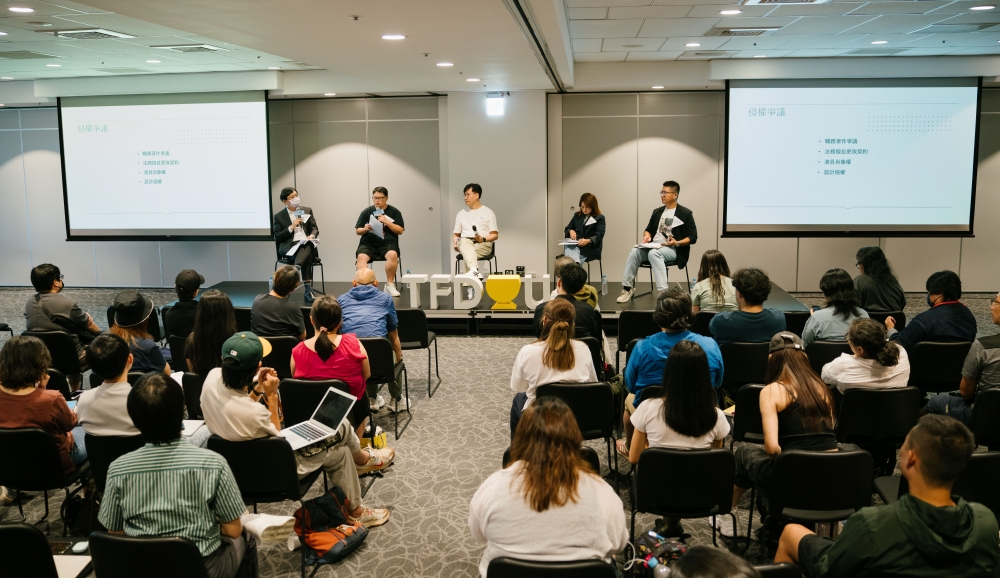


6/23下午【片場法律與安全座談】契約實務|品牌、代言與片場細節:從商品使用談合約眉角
‒
品牌、代言與片場細節:從商品使用談合約眉角
賴香桂 X 林可喬 X 廖健行
‒
商品露出與演員代言:誰說了算?
‒
賴香桂提到,拍攝過程中常會遇到演員已代言某品牌的情況,這使得在畫面中出現其他品牌商品可能產生代言衝突。因此,作為美術設計,必須對畫面中出現的商品保持高度敏感。
‒
她曾經自行與廠商談妥商品露出使用權,但在影片上映後,卻遭遇廠商抱怨未獲得相對應的回饋。這也反映出,美術組雖可擔任初期溝通角色,但合約簽訂與正式授權仍應由製作公司與品牌直接處理,才能釐清責任與權利。
‒
前期備註與角色協調:合約中的預防針
‒
林可喬也分享,經紀人可在合約備註中標明演員已代言品牌,以利製作方與美術溝通,避免衝突。此外,若劇情有歷史背景或年代設定,更需要與廠商、製作人多方協調。例如若演員代言特定汽車品牌,製作人可提前與該品牌溝通合作,甚至爭取贊助資源作為道具支援,進一步建立雙贏的夥伴關係。
‒
從品牌合作到演員代言:製作人如何平衡多方關係?
‒
具有豐富拍攝經驗的製作人廖健行指出,實務現場往往充滿突發狀況,尤其當演員已與某品牌有合作或代言關係時,相關商品的使用與露出就成為一項重要課題。例如曾有演員代言特定汽車品牌,為避免與戲中出現的其他品牌衝突,他便主動與該代言品牌接洽,爭取贊助與道具支援,進而促成雙方的合作共識。
‒
這樣的經驗也提醒製作人應提前建立代言資訊資料庫,並與經紀公司、美術組進行橫向溝通,掌握演員所屬品牌與潛在衝突,讓商品置入不致誤踩紅線。
‒
細節中的智慧:過敏、飲食、抽菸戲全納入合約規劃
‒
三人也談到,有些戲劇需要飲食、抽菸等情境演出,這些看似小事的場面,其實涉及演員健康與法律風險。因此,在前期選角時便應主動詢問演員的飲食忌口、健康狀況,將相關限制事項納入合約備註中。
‒
這樣的做法不僅避免爭議,也體現製作人對演員身心健康的尊重。林可喬強調:「越早了解彼此底線,合作越順利。」在整合眾多部門意見與需求的過程中,無論美術、製作方還是經紀人都是串聯現場與合約條文的關鍵推手。
‒
Product Placement and Actor Endorsements: Who Has the Final Say?
LAI Hsiang Kuei, LIN Ke-Chiao, LIAO Chien-Hsing
‒
LAI Hsiang-Kuei noted that during production, it is common to encounter situations where actors have already endorsed certain brands. In such cases, the appearance of competing products on screen may create conflicts with existing endorsement agreements. As a result, art directors must remain highly vigilant about the products featured in the frame.‒
She recalled an incident where she personally negotiated with a company for the use of its product in a scene. However, after the film’s release, the company complained about not receiving adequate promotional returns. This illustrates that while the art department may play a role in initiating communication, the signing of contracts and the granting of official authorization should ultimately be handled directly between the production company and the brand, in order to clearly delineate responsibilities and rights.
‒
Pre-production Notes and Role Coordination: The “Preventive Shot” in contracts
‒
LIN Ke-Chiao also shared that agents may specify in the contract notes which brands the actor is already endorsing, enabling the production team and art department to communicate effectively and avoid conflicts. Moreover, if the storyline has a historical or period setting, even closer coordination with brands and producers is required. For instance, if an actor endorses a particular car brand, the producer can proactively negotiate collaboration with that brand, and even seek sponsorship or prop support—thus establishing a win–win partnership.
‒
From Brand Collaborations to Actor Endorsements: How Do Producers Balance Multiple Interests?
‒
Producer LIAO Chien-Hsing, drawing on his extensive on-set experience, noted that production often faces unexpected challenges. When actors already maintain endorsement relationships with certain brands, the use and appearance of products on screen becomes a critical issue. In one case, to avoid conflicts between an actor’s existing car brand endorsement and the appearance of competing brands in the drama, he took the initiative to approach the endorsed brand, securing sponsorship and prop support, thereby achieving mutual cooperation.‒
This experience further highlights the importance for producers to establish a database of actors’ endorsement information in advance, and to maintain horizontal communication with talent agencies and the art department. By doing so, producers can anticipate potential conflicts between brand associations and product placement, ensuring that brand integration avoids crossing legal or contractual red lines.
‒
Wisdom in the Details – Allergies, Diet, and Smoking Scenes Included in Contract Planning
‒
The three speakers also discussed how certain scenes involving eating, smoking, or similar actions—though seemingly minor—can in fact raise concerns regarding actors’ health and legal risks. For this reason, producers should proactively inquire about actors’ dietary restrictions and health conditions during the casting stage, and include such limitations as notes in the contract.‒
This approach not only helps prevent disputes but also demonstrates respect for the actors’ physical and mental well-being. Lin Ke-Chiao emphasized: “The earlier we understand each other’s boundaries, the smoother the collaboration will be.” In the process of consolidating the needs and opinions of multiple departments, whether it be art direction, production, or talent agency, each plays a crucial role in bridging on-set practices with contractual provisions.
‒
‒
‒
‒