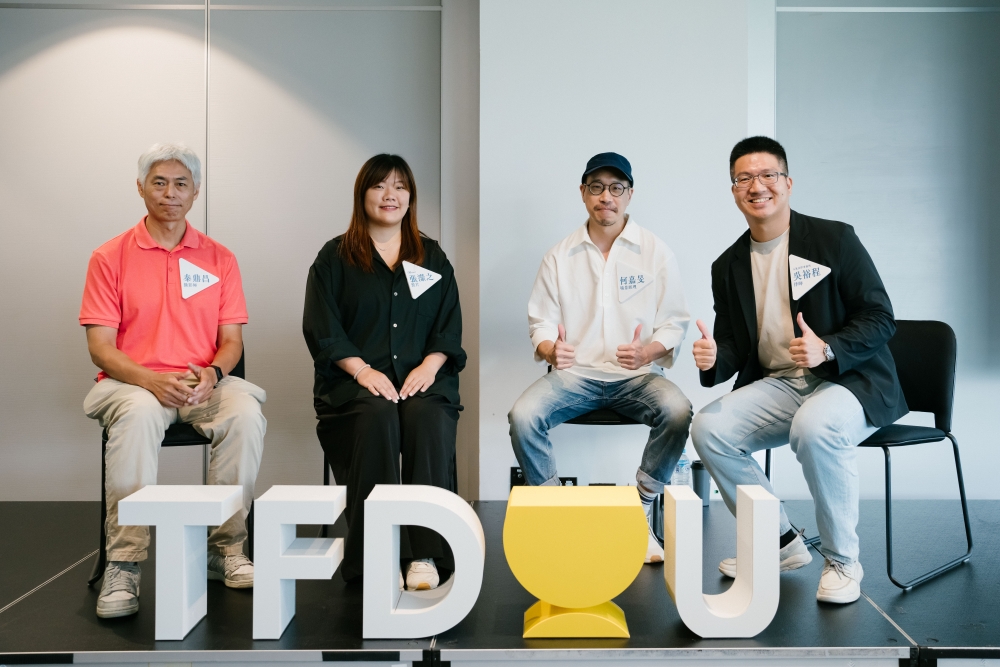


6/24下午【片場法律與安全座談】安全實務|拍攝現場的安全底線:器材、制度與人的現實對話
‒
‒
拍攝現場的安全底線:器材、制度與人的現實對話
秦鼎昌×何嘉旻×張瀠之(阿Mo)×吳裕程
‒
一次器材事故,換來一生警覺
資深攝影師秦鼎昌談起過往經驗,最讓他印象深刻的,是升降與搖臂器材的安全問題。他回憶,有次早期的升降機因結構瑕疵,上臂突然掉落,幸好當時沒有人員傷亡。搖臂也曾在鐵軌上出軌;手持拍攝時,他因奔跑摔倒,連機器也摔壞。後來使用大型升降機,在斜坡草地拍攝時,儘管已測水平,器材仍意外滑動,現場人員緊急用身體撐住器材,才未釀災。
‒
他說:「就算沒有直接被擊中,身體還是出現疼痛。安全問題有時真的無法預測。」在馬來西亞的拍攝現場,他也遇過吊臂螺絲斷裂,導致助理墜地受傷、器材撞石斷裂的意外。這些經歷讓他對器材操作保持高度警覺。
‒
現場沒有重來機會,安全官(職業安全衛生業務主管)的角色至關重要
律師吳裕程提出:「如此大型與危險的器材,是否能在前製期提供使用訓練?」秦鼎昌坦言難度很高,多半只能仰賴現場的專業領班。他也擔心,現今攝影師可能未具備對機械風險的敏銳,容易為了追鏡而站進搖臂危險區域。秦也指出,香港劇組以快速高效著稱,但意外比例也高。「拍片敢衝是美德,但安全底線不能模糊。」
‒
何嘉旻則補充,他在《沉默》劇組看到與台灣不同的安全制度:技術組會收到場務領班提供的完整風險報告,並轉交給每位組員,安全官也會依據場勘結果製作風險量表交予保險公司。不僅形式上備齊,更讓資訊真正傳達。在《機器之血》劇組,安全官則會實地巡場、要求車戲現場所有工作人員穿上反光背心,不得靠近車道。現場也因為嚴格的安全流程延誤拍攝,但換來的是更可控的風險。
‒
書面報告,是現場的防呆設計
吳裕程指出,書面安全報告在專案管理與法律層面上具備高度保障作用。他分享在蘭嶼拍攝《只有大海知道》時,劇組曾在海中遇到劇毒海蛇,現場氣氛緊張。但當地小孩卻能自然抱起海蛇說:「他很溫柔,不會咬人。」這段插曲提醒他:「危險是相對的,能否被納入評估,就靠制度量化。」
‒
阿Mo身為甲種職業安全衛生業務主管,也強調拍攝前的職業安全衛生管理計畫書不可或缺。透過拆解劇本場景、預先評估風險,就能避免突發意外。她舉例,有次為拍豔陽下的比賽場景,劇組硬要在暴風雨天拍攝,結果燈具倒塌險釀人傷。這讓她反思:「拍片固然重要,但人命才是第一順位。」
‒
安全文化,來自國際視角的啟發
秦鼎昌分享,在韓國劇組工作時,若遇下雨或天候不穩,團隊會直接取消拍攝,不勉強出班。這些不成文規定反映對安全的重視。他也觀察到,日本劇組對工時與節奏的控管十分精準,夜戲分散拍、堅守不熬夜原則。中午不提供便當,而是讓大家完整休息,這些細節讓拍攝更有餘裕。相比之下,台灣拍攝節奏緊湊。阿Mo指出,早年製片組常須身兼多職,一天僅睡三小時。近年劇集雖已控制在每日11-12小時工時,仍有連拍六天才休一天的慣例。
‒
何嘉旻也分享,連續一個月的夜戲工作,有時候看似符合法定工時,但仍會影響作息與身體狀況。這些經驗說明,單看工時數據難以完整反映工作負荷。
‒
曖昧的工時與責任,怎麼算才公平?
現場提問指出,許多劇組的隱形工時未納入契約,如何保障自身權益?吳裕程建議:簽約前要與製片明確約定工時、休假與延長工時之薪資報酬計算方式。阿Mo也提醒,萬一現場有危險狀況,助理務必向組長回報,組長有責任負責。她強調:「沒有人能為你的人生負責,只有你能保護自己。」
‒
何嘉旻補充,《沉默》劇組曾因工作超時引發爭議,製片最後擴編人力解決問題。只要資訊透明、願意溝通,制度就有改善的可能。
‒
面對風險,從制度設計到現場落實
回到起點,秦鼎昌總結:「再資深的人,也會遇到意外。拍攝本身就有風險,但我們可以選擇讓風險被看見、被處理。」
‒
阿Mo也說:「安全,是每位從業人員的責任,不是誰的附加任務。每場拍攝的底線,都該從安全開始。」
‒
Safety at the Filming Frontline: Equipment, Systems, and the Human Reality
CHIN Ting-Chang, HO Chia-Min, Amo CHANG, WU Yu-Cheng‒
One Equipment Accident, A Lifetime of Vigilance
Veteran cinematographer CHIN Ting-Chang recalled that what left the deepest impression on him was the issue of safety with lifts and camera cranes. He remembered one early incident where a lift malfunctioned due to a structural defect and the upper arm suddenly dropped—fortunately, no one was injured. A crane had once derailed from its track; during handheld shooting, he tripped while running and damaged both himself and the camera. Later, while operating a large lift on a grassy slope, even after leveling had been checked, the equipment unexpectedly slipped, forcing crew members to physically hold it in place to prevent disaster.
‒
“Even if you’re not directly struck, your body still feels the pain. Safety issues are sometimes truly unpredictable,” he said. On a set in Malaysia, he also encountered an incident where a crane screw broke, causing an assistant to fall and sustain injuries while the equipment crashed into rocks and shattered. These experiences, he emphasized, have kept him highly vigilant about equipment operation.
There Are No Retakes On Set: The Crucial Role of the Safety Officer (Occupational Safety and Health Supervisor)
Lawyer WU Yu-Cheng raised the question: “For such large and hazardous equipment, could training be provided during pre-production?” Cinematographer Chin Ting-Chang admitted that this is difficult in practice, as it largely depends on the expertise of on-site supervisors. He also expressed concern that today’s cinematographers may lack sensitivity to mechanical risks, often stepping into the danger zone of a crane simply to follow a shot. CHIN further noted that while Hong Kong crews are renowned for their speed and efficiency, their accident rates are also high. “Daring to push limits may be a virtue in filmmaking, but the bottom line of safety must never be blurred.”
‒
HO Chia-Min added his observations from the set of Silence, where he witnessed safety protocols that differed from Taiwan’s. The technical departments received complete risk reports from the location manager, which were then distributed to every crew member. The safety officer also prepared risk assessment tables based on location surveys to submit to the insurance company. These measures not only satisfied formal requirements but also ensured effective communication of information. On the set of Bleeding Steel, the safety officer conducted on-site inspections and required all personnel in car stunt areas to wear reflective vests and stay clear of traffic lanes. Although these rigorous safety processes delayed filming, they resulted in risks that were far more manageable.
‒
Written reports serve as the on-set fail-safe mechanism.
Lawyer WU Yu-Cheng emphasized that written safety reports provide strong protection in both project management and legal contexts. He recalled an incident during the filming of Long Time No Sea in Lanyu, where the crew encountered a highly venomous sea snake in the water, creating a tense atmosphere. Yet local children casually picked up the snake, saying: “He’s gentle; he won’t bite.” This episode reminded him: “Danger is relative—whether it can be managed depends on how effectively the system quantifies it.”
‒
As a certified Category A Occupational Safety and Health Supervisor, Amo CHANG also stressed that an occupational safety and health management plan is indispensable before filming begins. By breaking down script scenes and conducting advance risk assessments, unexpected incidents can be prevented. She shared an example: during a scene meant to depict a sunny competition, the crew insisted on shooting during a storm, resulting in lighting equipment collapsing and nearly causing injuries. Reflecting on the incident, she concluded: “Filmmaking is important, but human life must always come first.”
‒
Safety Culture: Lessons from International Perspectives
CHIN Ting-Chang shared that while working on Korean film crews, if it rained or weather conditions were unstable, the team would simply cancel the shoot rather than forcing production to continue. These unwritten rules reflected a strong emphasis on safety. He also observed that Japanese crews managed working hours and pace with remarkable precision: night scenes were spread out to avoid exhaustion, and the principle of no overnight shoots was strictly upheld. At midday, instead of distributing lunch boxes, crews were given full breaks—details that allowed filming to proceed with greater balance. By contrast, Taiwan’s production pace remains more intensive.
‒
Producer Amo CHANG noted that in earlier years, production teams often had to take on multiple roles, sometimes sleeping only three hours a day. In recent years, drama series have managed to control daily working hours to about 11–12, yet it is still common to shoot six consecutive days before getting one day off.
‒
HO Chia-Min added that working on night shoots for an entire month—even when technically compliant with legal working hour limits—nonetheless disrupted daily rhythms and took a toll on health. These experiences demonstrate that raw working-hour figures alone cannot fully capture the burden of production work.
‒
Ambiguous Working Hours and Responsibilities: What Counts as Fair?
During the Q&A, participants pointed out that many crews have “invisible working hours” not included in contracts, raising concerns about how to safeguard their rights. Lawyer WU Yu-Cheng advised that before signing, crew members should clearly agree with producers on working hours, rest days, and how extended hours will be calculated and compensated.
‒
Amo CHANG also reminded that if dangerous situations arise on set, assistants must report them to their department heads, who in turn bear responsibility. She stressed: “No one else can take responsibility for your life—only you can protect yourself.”
‒
HO Chia-Min added that during the filming of Silence, disputes arose due to excessive working hours, which were ultimately resolved when producers expanded the crew size. As long as information remains transparent and communication is open, he noted, institutional improvements are possible.
Facing Risk: From System Design to On-Set Implementation
Returning to the core issue, CHIN Ting-Chang concluded: “No matter how experienced you are, accidents can still happen. Filmmaking inherently involves risk, but we can choose to make those risks visible and manageable.”
AMO CHANG also remarked: “Safety is the responsibility of every professional—it is not an additional task for someone else. The baseline of every production should always begin with safety.”
‒
𝄪
𝄪
𝄪
𝄪